Navigating Changes, on a Guided Hunt
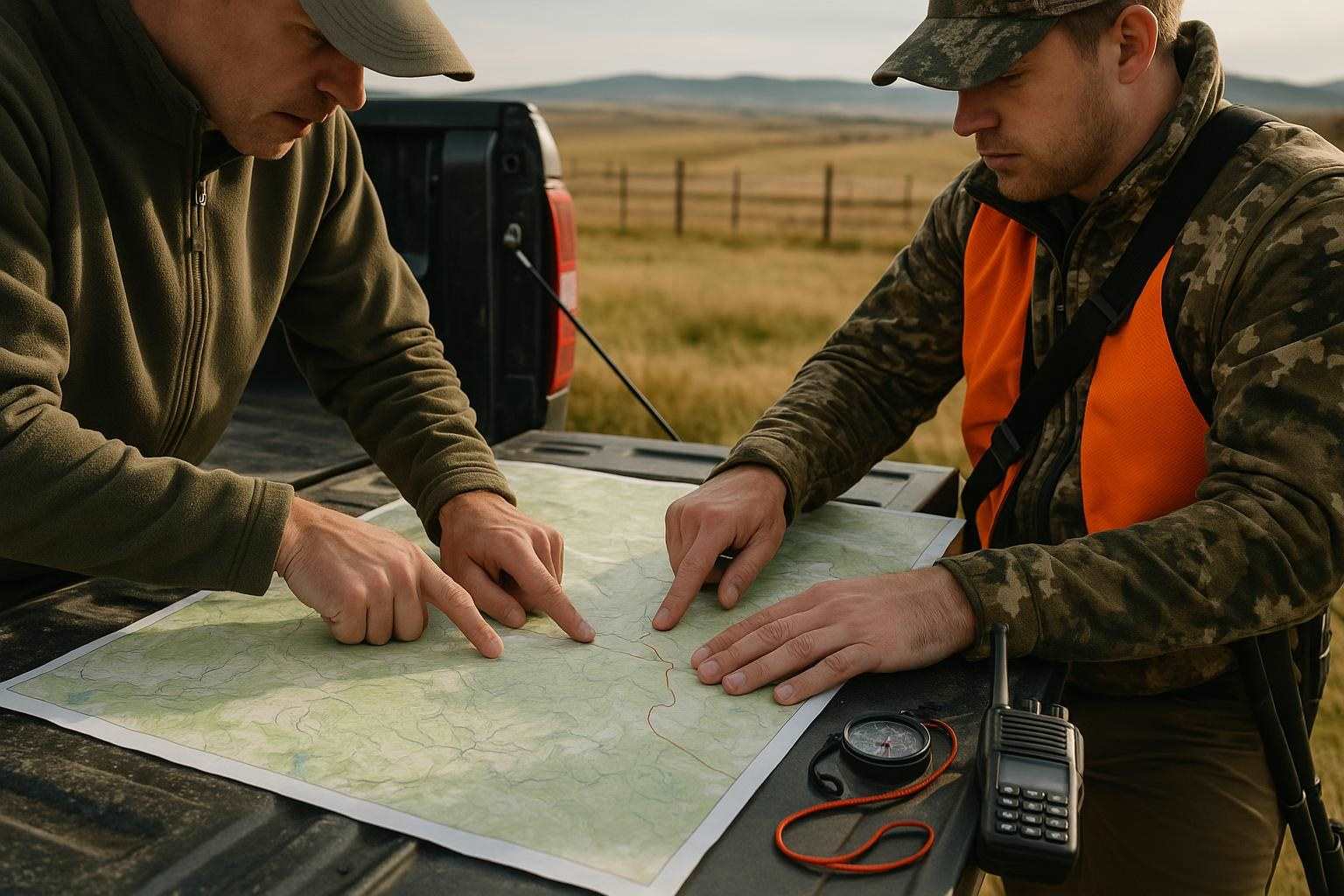
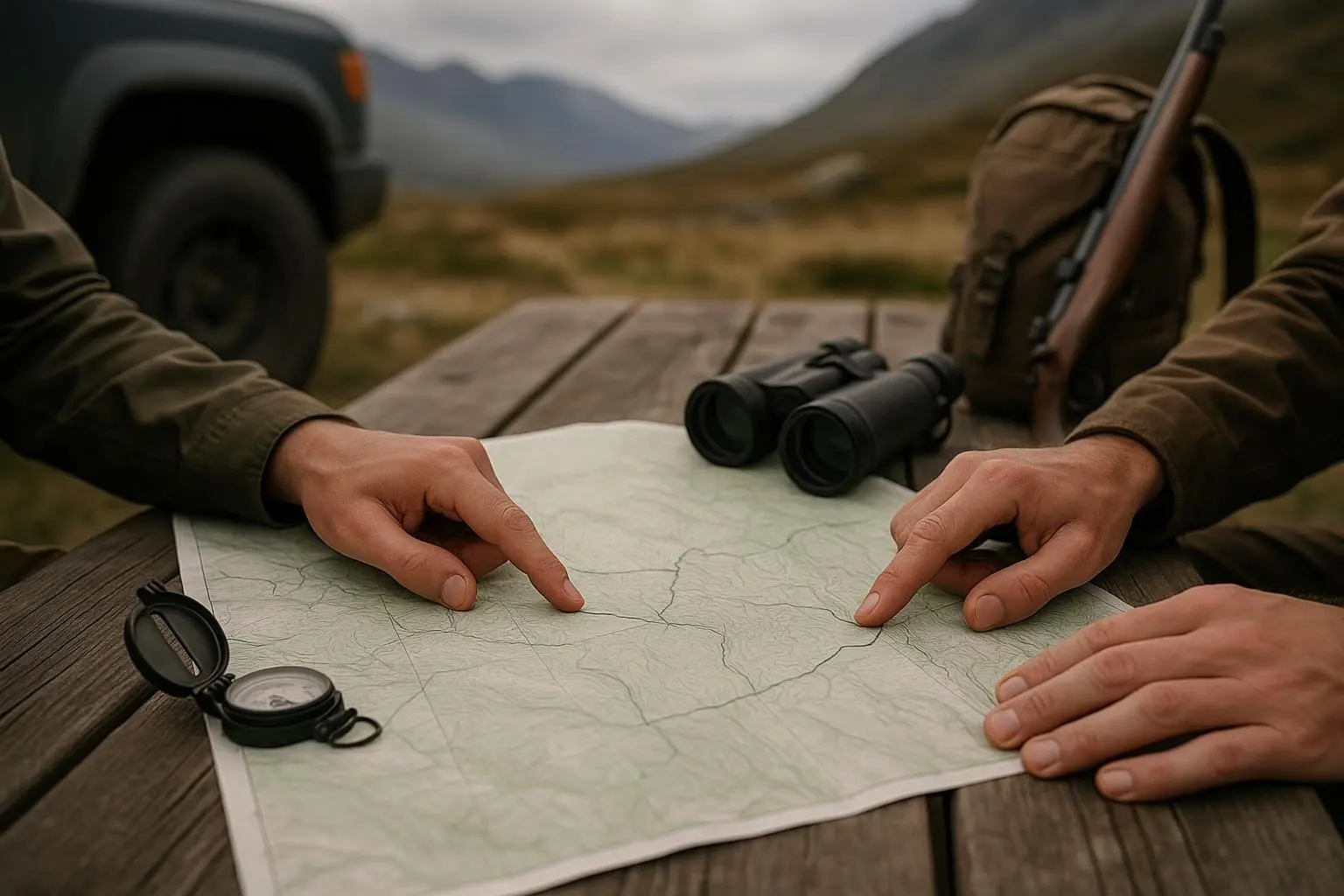
Starting a hunt can feel like a step forward-until something changes at the trailhead. Road closures, weather, thick brush or new rules can all throw your plan off track. It's easy to feel disappointed after paying for the trip and driving a way.. Being ready ahead of time helps you make choices when things shift.
Prioritize Thorough Briefings at the Start
The first talk with your guide isn't about when to leave or where to eat. It's your chance to learn what's really going on there. Ask about access limits what the ground will be like and what kind of animal and size you're aiming for. Also know what counts as a shot.
Ask this: "What could force us to change plans or even turn back today?" That opens the door to talk about wind, poor visibility, unstable ground, other hunters, livestock or rules for the area. You're not setting limits to be ignored later-you're building an responsible plan for the day.
Be honest about your limits. If you're not comfortable shooting from away if you're not in shape if you've hurt yourself before or if you need hearing help-tell your guide. Hiding this can cause stress when you're in the field.
Understand Legal Boundaries
Moving to a spot doesn't mean your tag or hunting method still works. Rules change by area, animal, weapon and season. If you cross property lines. Check again. Don't trust info or memory.
Before you go look up the rules from wildlife or land management sources. Make sure you know which unit you're in and that your license matches. Ask your outfitter what papers to bring. Remember: you are responsible for following the rules. At the trailhead confirm your legal hunting area whether the animal you want is allowed and any gear limits.
Be Proactive About Shot Decisions
A changed route might give you a shot- a quick glimpse through thick trees or an animal that pops up at the wrong time. That's why you need to decide of time what makes a shot ethical. Don't wait until you see an animal to figure it out.
Think beyond distance. Is the animal clear? What's the angle? Is the ground steady? Is the background safe? What's the recovery plan? If you're unsure about the animal. What's behind it don't shoot. A guide's input can help,. The final call is yours.
This also matters when recovery is a question. Ask your guide if tracking a wounded animal might lead you into illegal areas. A shot that looks good through binoculars might be a problem when you have to follow the animal.
Leverage Your Guides Expertise
A good guide can help a lot. They read tracks watch wind and know the land.. Communication is key. Tell them what you see: "I can see the shoulder but not the rest.". "I'm steady here. The angle isn't right." This helps them give you advice.
If your guide says to stay put do it. If they say the animal is legal you still need to make sure you can identify it and know the rules. If your view gets blocked, tell them away. Don't guess what they're seeing. Everyone sees things differently. Clear talk prevents mistakes.
Talk before the hunt about who makes which decisions-like identifying animals or checking backgrounds. A calm talk ahead of time helps you both stay calm when a shot comes up. It's easier to back out if you've already agreed on how to handle it.
Emphasize Conservation in Every Decision
If the first chance slips away it's tempting to keep chasing another shot.. Sometimes the smarter move is to move shorten the day or save the tag for next time. Real conservation shows in what you choose when thingsre uncertain-not just after you've taken a shot.
Think about the land. Repeatedly moving through cover walking on ground or going into someone else's space can hurt future hunting even if you don't shoot. Follow access rules carry out trash avoid noise and respect closures and private property.
Check these points every time things change:
– Am I in the unit and authorized area?
– Is the animal clearly identifiable and legal to take?
– Is my position safe, stable and with a background?
– Can I plan a recovery?
– Would I take this shot if I wasn't under pressure to succeed?
If you can't answer yes to any of these wait. Look for info, better weather or better chances later. A good guided hunt isn't, about sticking to the plan. It's about adapting making choices and doing what's right. That protects your standing. Honors the ethics of hunting and conservation.